Dealing with Narrow Staircases in Eastham Terraces
Posted on 07/05/2026
Dealing with Narrow Staircases in Eastham Terraces: A Practical Guide for Safer, Easier Moves
Moving in and out of an Eastham terrace can be perfectly manageable right up until you meet the staircase. Then it suddenly feels like the hallway shrinks by half. Tight turns, low ceilings, awkward landings, handrails that stick out just enough to be annoying - it all adds up. If you are dealing with narrow staircases in Eastham terraces, the real challenge is not just strength. It is planning, patience, and choosing the right method for the space in front of you.
This guide walks through the practical side of making that move work. We will cover how narrow stairs affect furniture removal, the safest way to measure and prepare, what tools and tactics help most, when professional support makes sense, and which mistakes tend to cause damage or delays. To be fair, most problems on moving day are preventable once you know what to look for.
Why Dealing with Narrow Staircases in Eastham Terraces Matters
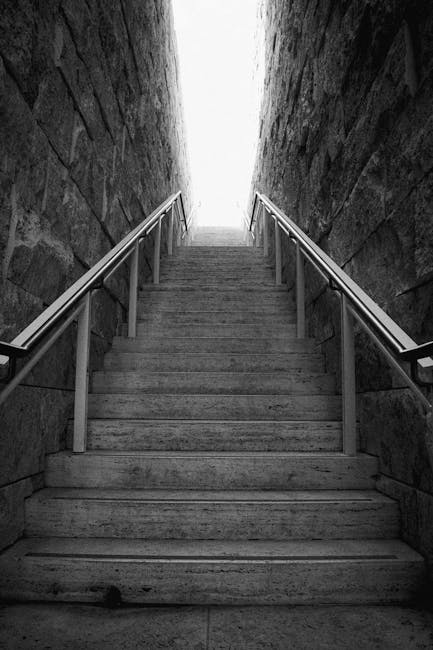
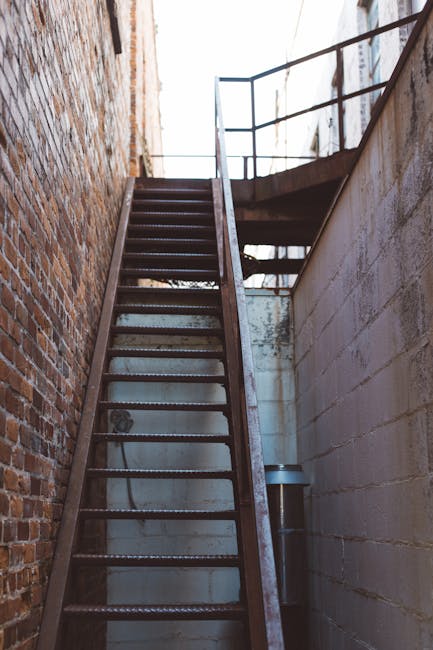
Terraced homes often have character, charm, and layouts that were never designed around modern sofas, king-size mattresses, or large appliances. The staircase is usually the bottleneck. It may be narrow, steep, bend sharply at the first landing, or sit alongside walls that leave barely any room to angle a wardrobe through. If you underestimate the staircase, the rest of the move can fall apart very quickly.
Why does this matter so much? Because a bad stair move can lead to all the usual headaches: scuffed walls, damaged banisters, strained backs, scratched furniture, and a lot of frustrated silence in the hallway. And yes, the silence often gets louder the heavier the item becomes. The good news is that most of these issues are not random; they are the result of predictable access problems that can be planned for in advance.
In Eastham terraces, especially older ones, the inside route is often just as important as the parking spot outside. You might have the van perfectly positioned, but if the sofa cannot rotate on the landing, you are stuck. That is why local moving know-how matters. It is also why related planning topics like best access routes for vans can help you think beyond the front door and see the whole job properly.
How Dealing with Narrow Staircases in Eastham Terraces Works
The process is basically a mix of measurement, route planning, load control, and timing. You are not simply carrying an object up or down stairs; you are solving a geometry problem with a heavy item attached. A narrow staircase changes the angle of movement, the balance point, and the amount of space available to turn or rest.
Most successful stair moves follow the same logic:
- Measure the item and the staircase before moving day.
- Decide the route from room to van, including any turns, landings, or tight hallways.
- Prepare the item by removing parts, wrapping edges, and reducing bulk where possible.
- Use the right lifting technique so the weight is controlled rather than wrestled.
- Move slowly and communicate clearly at each corner, step, and pause point.
That sounds simple. It rarely is, especially with awkward furniture. A chest of drawers may be light enough for one person in the open, but suddenly feels twice as awkward on a steep staircase. Bed frames behave the same way. Mattresses can flex, but that flexibility can work against you if the landing is tight. If you want deeper guidance on that side of moving, the articles on bed and mattress moving and proper packing strategies are useful companions.
There is also a human side to this. People often rush once the item has made it halfway down the stairs. That is exactly when damage happens. A landing is not a finishing line. It is a reset point. Use it.
Key Benefits and Practical Advantages
Handling narrow staircases properly is not just about avoiding disaster. Done well, it makes the whole move calmer, faster, and more predictable. That may not sound exciting, but on moving day boring can be lovely.
- Less damage to property - walls, paintwork, bannisters, and flooring stay protected.
- Lower risk of injury - awkward lifting and twisting are reduced.
- Better control of bulky items - furniture is less likely to jam or tip.
- Fewer delays - a prepared route saves repeat attempts on the stairs.
- More confidence on the day - everyone works with a clear plan.
There is another advantage people miss: better decisions about what to move at all. Sometimes a terrace staircase is the moment you realise a huge wardrobe should be dismantled, stored, or replaced. That is not a failure. It is sensible judgement. If you are looking at the broader moving picture, pages like house removals in Eastham and flat removals in Eastham can help frame the kind of service support that fits the property type.
Expert summary: narrow stairs reward preparation more than brute force. Measure first, dismantle where possible, protect the route, and keep the movement slow and deliberate. That simple pattern prevents a lot of expensive regrets.
Who This Is For and When It Makes Sense
This topic is relevant if you live in, are moving into, or are moving out of a terrace property with awkward internal access. It is especially useful for:
- homeowners in older terraced houses
- tenants moving in or out of upper-floor rooms
- students with limited access and bulky furniture
- families moving larger items like sofas, beds, and appliances
- anyone booking a removal team and worried about stair width
It also makes sense when the staircase is the main limitation rather than the volume of belongings. In other words, you may not have a huge house move, but one awkward piece can still cause trouble. A piano, for example, changes the whole game. If that is part of your move, the specialist advice in piano removals in Eastham and the related guide on ensuring piano safety is well worth reading before anything is lifted.
Sometimes it is not the big items either. A freezer, for example, may be awkward because of its shape and weight. If it has to be moved as part of a wider relocation, the note on freezer storage when not operational can help with planning the bigger picture around access and timing.
Step-by-Step Guidance
If you want a practical route through the problem, start here. This is the part that turns "we'll just see how it goes" into an actual plan.
1. Measure everything properly
Measure the width of the staircase, the narrowest turn, the height above each step if there is a low ceiling, and the size of the item being moved. Do not guess. A few centimetres can make the difference between a clean pass and a stubborn jam on the landing.
2. Check the route from room to van
Look at the whole path: bedroom, hallway, front door, steps, pavement, van access. If one part is tight, the entire move is affected. A lot of stair problems only become obvious once you realise the item must be rotated in a hallway before it even reaches the staircase. That is a classic gotcha.
3. Remove what you can
Take off table legs, dismantle bed frames, remove shelves, and empty drawers. Even a small reduction in size helps. This is where a little preparation goes a long way, and it pairs nicely with the advice in a decluttered move and vital cleaning steps before your move if you are getting a property ready at the same time.
4. Protect both the item and the staircase
Use blankets, straps, corner guards, and floor protection where appropriate. A narrow stairwell often has painted edges that mark easily, so it is worth being a bit careful here. Truth be told, a tiny scuff can become the thing everyone remembers about moving day.
5. Assign clear roles
One person should guide, one should support the weight, and both should agree on simple commands before the lift starts. Short phrases work best: "pause," "back," "lift," "turn." Not twenty instructions. Nobody wants a debate halfway down the stairs.
6. Move one item at a time
It is tempting to try to speed up the process, especially if the van is waiting outside. Resist that urge. On narrow stairs, speed creates mistakes. Take the slower route and keep the item stable.
7. Reassess at every landing
If the item does not fit naturally, stop and reset. Sometimes changing the angle by just a few degrees solves the problem. Other times the correct answer is to stop and dismantle more. That is fine. Let's face it, forcing a wardrobe through a terrace staircase is a bit like arguing with the hallway. The hallway usually wins.
Expert Tips for Better Results
The small details make the biggest difference in tight staircases. These are the things experienced movers tend to think about before the first lift.
- Use the stair rail as a visual guide, not a support point unless it is safe and intended for that purpose.
- Keep the heavier end lower where the shape of the item allows it, so balance is easier to control.
- Wear proper footwear with grip. Socks on wood stairs is a comedy sketch until it is not.
- Pad sharp corners on wardrobes, sofas, and bed frames before the first attempt.
- Move in daylight if possible so you can judge angles, shadows, and landing space more easily.
- Take a dry run without the item if you are unsure about the route.
- Book extra help early if the move involves large furniture or fragile pieces.
If your move includes heavy lifting in general, it may help to read lifting heavy loads safely and the broader piece on kinetic lifting. They reinforce the same basic idea: body position matters more than ego. A lot more.
One practical observation from the field: the most successful moves tend to be the quietest. Less shouting, fewer rushed steps, more pauses. It sounds almost too simple, but it works.
![A wooden staircase situated inside a residential property, featuring dark brown, polished wooden steps and a matching wooden handrail. The staircase is narrow, with limited space, showing a steep ascent with clearly visible wood grain on each step. The photo is taken from the top of the stairs, looking down, capturing the vertical railing and the treads below. The environment is dimly lit, with natural light softly illuminating the wood surface, highlighting its texture and finish. The setting appears to be part of a home undergoing a house removal or furniture transport process. Occasionally, [COMPANY_NAME] handles such logistics, including navigating narrow staircases during packing and moving activities. The staircase is within an interior corridor, close to a dark wall on the upper part, emphasizing the confined space often encountered in house relocations, especially in terraced homes in Eastham.](/pub/blogphoto/dealing-with-narrow-staircases-in-eastham-terraces2.jpg)
Common Mistakes to Avoid
Most stair-related problems come from a fairly short list of avoidable errors. Once you know them, they are easy to spot.
- Skipping measurements and hoping the item will "just fit".
- Forgetting the landing, which often matters as much as the staircase itself.
- Trying to move bulky furniture fully assembled when dismantling would be safer.
- Using too few people for awkward or heavy items.
- Dragging instead of carrying, which damages floors and is rough on the item.
- Rushing after a near miss rather than stopping to reset.
- Ignoring safety signs such as poor balance, back strain, or a slippery tread.
A quieter but common mistake is overconfidence after one item goes well. The sofa may fit easily, and then the wardrobe turns into the problem child. Each object needs its own plan. That sounds obvious, but moving day can make obvious things vanish right out of your head.
Tools, Resources and Recommendations
You do not need a truck full of specialist kit to deal with a narrow staircase, but the right basic tools help a great deal.
| Tool or Resource | Why It Helps | Best Used For |
|---|---|---|
| Measuring tape | Confirms width, height, and turning space | Planning before move day |
| Furniture blankets | Protects paintwork and item edges | Sofas, tables, wardrobes |
| Moving straps | Improves grip and weight distribution | Heavy or awkward items |
| Corner protectors | Reduces scuffs at tight turns | Landings and doorway corners |
| Tape and labels | Keeps dismantled parts organised | Beds, tables, modular furniture |
For additional planning support, you may also find these local pages useful: furniture removals in Eastham, man with a van in Eastham, man and van in Eastham, and removal services in Eastham. For some readers, the simpler service choice is exactly what keeps the move calm.
If storage becomes part of the plan because access is too tight or the move needs staging, then storage in Eastham can be a useful next step. It gives you breathing room, and sometimes that is what a terrace move really needs.
Law, Compliance, Standards, or Best Practice
For a domestic move, the main concern is not legal complexity; it is safety and sensible working practice. That said, there are still a few things worth keeping in mind.
Anyone carrying heavy loads should avoid unsafe lifting, twisting, and rushed handling. In UK moving work, good practice means assessing the route, protecting people and property, and not attempting a lift that is clearly beyond the team's ability. If a move involves employees or hired help, safe working methods, proper equipment, and clear communication are basic expectations rather than optional extras.
There is also the simple matter of property care. Stairways in terraces can have narrow treads, old paint, delicate banisters, and tight corners. Using floor protection, wrapping furniture, and planning the manoeuvre carefully are all normal best practices. No drama, just sensible moving.
If you are booking a mover, it is reasonable to ask about insurance, safety procedures, and how they approach awkward access. Pages such as insurance and safety, health and safety policy, and accessibility information help show the standards behind the service. That kind of transparency builds trust, and rightly so.
Options, Methods, or Comparison Table
There is no single right way to handle a narrow staircase. The best approach depends on the item, the layout, and how much time you have. Here is a simple comparison to make the choice easier.
| Method | Best For | Pros | Watch Out For |
|---|---|---|---|
| Carry as-is | Smaller or lighter items | Quick, minimal dismantling | Can fail fast if the turn is tight |
| Dismantle first | Beds, tables, wardrobes | Easier to navigate, less strain | Requires time, tools, and labels |
| Use extra movers | Bulky or heavy furniture | Better control and spotting | Needs coordination; more people is not always better |
| Store temporarily | Moves with access problems or delays | Reduces pressure on the day | Needs planning and extra cost consideration |
For many terrace moves, the best answer is a combination: dismantle one item, carry one item, and store one item. That may sound a bit messy on paper, but in real life it is often the neatest solution.
Case Study or Real-World Example
Imagine a typical Eastham terrace move on a damp morning, with a narrow hallway, a right-angled landing, and a sofa that looked fine in the living room but suddenly looked enormous at the bottom of the stairs. The team measures the sofa, removes the feet, and wraps the corners. They then check the turn at the landing before lifting. The first pass does not work quite right, so they pause, adjust the angle, and bring the back end slightly higher. Second try, it clears. No force, no shouting, no scraped wall.
That is the pattern worth copying. The move did not become easy because the sofa shrank or the staircase widened. It became manageable because the team slowed down and treated the staircase as a routing problem. Small shift, big difference.
In another case, a customer with student furniture needed to move quickly between floors but had a tight stairwell and limited time. The sensible choice was to use a smaller vehicle and stage the items in a better order, rather than trying to load everything at once. If your move has that kind of pace, student removals in Eastham and even same-day removals in Eastham may be worth considering, especially when time is tight and access is awkward.
Practical Checklist
Use this checklist before the first item reaches the stairs.
- Measure the staircase width, landing space, and item dimensions.
- Check for handrails, light fittings, and low ceilings that may obstruct turns.
- Decide whether the item should be dismantled.
- Clear hallways, doorways, and the path to the van.
- Protect walls, corners, floors, and furniture edges.
- Assign one person to lead the movement and another to support.
- Agree short, clear commands before lifting starts.
- Wear suitable shoes and keep hands free of loose items.
- Pause at landings and reset if the angle feels wrong.
- Stop immediately if anything feels unsafe or unstable.
Key takeaway: if the stair route is prepared, most terrace moves become calmer than people expect. Not easy, exactly. Just calmer, and that matters.
Get a free quote today and see how much you can save.
Conclusion
Dealing with narrow staircases in Eastham terraces is really about respect for the space. These homes can be beautiful, practical, and full of character, but the staircase often asks for a slower, smarter approach. Measure carefully, dismantle where it helps, protect the route, and do not rush the turns. Those simple habits save time, stress, and a fair bit of damage.
If you are planning a move, or even just trying to judge whether a piece of furniture will make it upstairs at all, start with the staircase rather than the van. That small shift in thinking makes the whole process more manageable. And honestly, once you have solved the stair problem, the rest of the day usually feels a lot less heavy.
Some moves are never glamorous. But they can still go well. Sometimes that is enough.