Removing Bulky Waste After a Move in Eastham: Options
Posted on 10/06/2026
After a move, the house can look strangely empty and somehow still feel crowded. Boxes are gone, the kettle is found, but there is always that awkward pile left behind: a broken wardrobe, an old mattress, a sofa that won't fit through the new place, or random bulky bits that no longer have a home. If you are sorting Removing Bulky Waste After a Move in Eastham: Options, you are really looking for a clean, sensible way to finish the move properly - without turning your new start into a week of dragging heavy junk about the place.
This guide walks through the practical choices available in Eastham, what each one works best for, and how to avoid the usual headaches. You will also find a simple step-by-step process, a useful comparison table, and a checklist you can actually use. No fluff. Just the stuff that helps when you are standing there on a damp Tuesday afternoon wondering what to do with the old freezer and a half-dismantled desk.
Why Removing Bulky Waste After a Move in Eastham: Options Matters
Bulky waste is not the same as a few black bags of general rubbish. We are talking about items that take up space, are awkward to carry, and often need a proper plan: sofas, beds, wardrobes, broken white goods, carpets, shelving, desks, and garden items that somehow make themselves heavier once the move is over. After a house move in Eastham, dealing with those items quickly matters for a few reasons.
First, it helps you reset the property cleanly. If you are moving out of a rented place, the final impression matters. If you are moving into a new home, clearing the old bulky waste first can make handover and cleaning far easier. Second, it reduces the chance of injury. It sounds obvious, but people do try to lift a chest of drawers at 7pm after a full day of moving. That is rarely a brilliant plan.
Third, there is the practical side: space. A driveway, hallway, or garage fills up fast, and once a big item is in the way it tends to stay there. Finally, proper disposal is about responsibility. Some items can be reused or recycled. Others need safe disposal routes because they contain materials, wiring, or components that shouldn't just be abandoned. Truth be told, this part of moving is often the bit people leave too late.
If you are also trying to keep the rest of the move under control, it can help to read a decluttered move guide for easier relocation and practical packing strategies for a smoother move. They fit naturally with this topic because the less clutter you carry forward, the less bulky waste you end up handling afterwards.
How Removing Bulky Waste After a Move in Eastham: Options Works
In simple terms, you have to decide three things: what the item is, what condition it is in, and how much effort you want to put into getting rid of it. That sounds basic, but it is the whole game.
Most bulky waste after a move falls into one of these routes:
- Reuse or resale if the item still has life in it.
- Donation if it is clean, safe, and in decent working condition.
- Recycling where the materials can be separated and processed properly.
- Bulky item collection arranged through a local service or collection provider.
- Removal assistance if the item is too large, heavy, or awkward to deal with yourself.
For many people, the trick is not finding a single "best" option. It is matching the item to the right route. A sofa with faded fabric but sturdy frame might be worth moving into storage or passing on. A mattress with wear, smell, or damage usually needs disposal. A fridge freezer can be especially awkward because it is heavy, bulky, and not particularly forgiving if you rush it. If that rings a bell, this guide on storing a freezer when it is not operational is useful background before you decide whether to keep, move, or clear one.
There is also the labour question. Some people are happy to strip a bed frame down, carry each part carefully, and arrange disposal themselves. Others would rather hand the job over, which is completely fair. If you are dealing with heavy lifting, narrow hallways, or awkward stairs, it is worth reading safe solo lifting advice and practical lifting technique guidance before you commit to moving anything substantial.
For especially awkward items, you may also need help from a local mover who already understands the layout, access points, and timing around Eastham properties. That can save a lot of back-and-forth. And yes, it can save your back too.
Key Benefits and Practical Advantages
Done well, bulky waste removal after a move is not just about tidiness. It changes the whole feel of the day. The benefits are quite practical, and you notice them fast.
- Less stress: one decision at a time instead of a pile of unanswered questions in the hallway.
- Safer moving: fewer heavy items to lift, drag, or squeeze through tight spaces.
- Better use of space: the van, driveway, and home are easier to manage when the big items are dealt with early.
- Cleaner handover: useful for end-of-tenancy checks, sale completion, or simply leaving a property in better order.
- More recycling opportunities: many items can be broken down or redirected rather than treated as one big waste problem.
- Less wasted energy: you avoid the classic moving mistake of transporting something twice, or worse, leaving it in a corner for months.
There is also a mental benefit that gets overlooked. A move can feel unfinished when bulky waste is still hanging around. You know the feeling: the boxes are unpacked, but the old sofa is blocking the garage door and the mattress is leaning in the hallway like it has unfinished business. Clearing it properly gives the move a proper ending. Small thing, maybe. But it matters.
If you are trying to make the wider relocation calmer and more orderly, advice for a stress-free house move and these cleaning steps before your move can help you build a cleaner finish into the whole process.
Who This Is For and When It Makes Sense
This is not only for people with a mountain of rubbish. In practice, bulky waste removal matters for all sorts of moves in Eastham.
You may need this if you are:
- leaving a rented flat and cannot take large furniture with you;
- downsizing and need to strip out bulky items that will not fit in the new place;
- upgrading furniture and replacing old pieces at the same time as moving;
- clearing a garage, shed, loft, or outbuilding after years of buildup;
- moving office equipment or broken storage units that are too large for a standard bin collection;
- dealing with a tight moving schedule and need a same-day clearance solution.
This can also be especially useful if you live in a property with awkward access. Eastham terraces, narrow staircases, shared entrances, and limited parking can turn a simple sofa removal into a mild drama. If that sounds familiar, the article on dealing with narrow staircases in Eastham terraces is worth a look.
On the commercial side, businesses and landlords often need a fast, tidy route to remove old office desks, broken chairs, shelving, or stockroom items after a move. In those cases, timing usually matters more than debate. You want the space clear, and you want it clear now.
Step-by-Step Guidance
If you want a clean process rather than a chaotic one, use this sequence. It sounds almost too simple, but it works.
- Walk through the property and list every bulky item. Separate furniture, appliances, beds, mattresses, and mixed waste.
- Check condition. Ask whether each item is reusable, repairable, recyclable, or only suitable for disposal.
- Measure awkward pieces. Heights, widths, staircase bends, and door clearances matter more than people expect.
- Decide what can be dismantled. Flat-pack furniture, bed frames, and shelving often become much easier once broken down.
- Sort by route. Keep reuse, donation, recycling, and disposal separate so nothing gets mixed up at the last minute.
- Book the right option. Choose a collection or removal route that suits the volume, timing, and access.
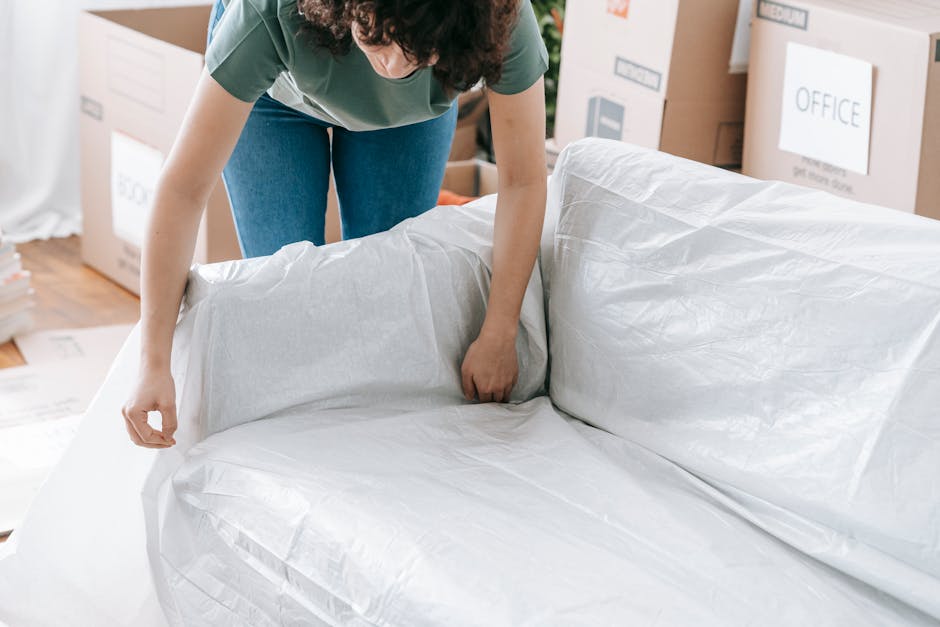
- Prepare the items safely. Remove loose fittings, empty drawers, tape doors shut, and protect floors if needed.
- Move or collect in one clean window. One planned slot is better than three rushed trips.
- Double-check the property. Look in cupboards, loft areas, and sheds. The forgotten chair in the corner is a classic.
- Finish with a clean-up. Sweep, wipe, and clear dust from the area so the move is properly closed off.
If you are already planning a larger move, it may help to compare this process with careful packing strategies and packing and boxes support in Eastham. The same basic truth applies: prepare well, and the day becomes far less messy. Simple, but not always easy.
Expert Tips for Better Results
Here are the small things that make a big difference.
- Separate items before you lift anything. Sorting first prevents confusion and stops you carrying something twice.
- Take photos of reusable furniture. A quick image helps if you decide to donate or pass items on quickly.
- Keep screws and fittings in labelled bags. If you dismantle a bed or wardrobe, this saves a lot of swearing later on. A tiny bag can ruin your evening if it vanishes.
- Use blankets or covers for awkward pieces. This protects walls and frames during removal.
- Leave white goods unplugged safely. Some appliances need time or preparation before moving, especially if they are being collected.
- Think about access first, not last. Stairs, parking, and turning space can change the whole plan.
- Ask early about recycling routes. If an item can be diverted from disposal, do it before collection day, not during the panic.
One more thing: if the job involves anything heavy, do not rely on bravado. A second person, a proper trolley, or a professional mover is often the smarter option. You do not get bonus points for wrestling a mattress through a hallway by yourself at dusk.
If the item is especially valuable or risky to move, such as a piano or delicate furniture, the specialist pages on piano removals in Eastham and furniture removals support can help frame the right decision. Even where the item is simply bulky rather than precious, professional handling often reduces damage and delay.
Common Mistakes to Avoid
Most bulky waste problems after a move are not dramatic. They are just badly timed, poorly sorted, and a bit rushed. The usual mistakes are easy to spot once you know what to look for.
- Leaving bulky items until the last hour. Then the van is loaded, the keys are due back, and the sofa still has to go.
- Assuming everything can be dumped together. Different materials and item types often need different handling.
- Trying to lift oversized furniture without a plan. That is how chipped walls and strained shoulders happen.
- Forgetting to check item condition. Some things can be reused if you move quickly; others should not be passed on.
- Ignoring access limitations. A large item that fits on paper may still be a nightmare in a real Eastham terrace.
- Not confirming timing. If the collection or removal slot is not clear, the item sits there for another day, then another.
There is also a subtle mistake people make after moving: they assume the bulky waste issue is "not urgent." But if it is taking up space in a hallway, blocking a garage, or getting in the way of unpacking, it is urgent enough. The sooner it is dealt with, the more the rest of the move settles down.
Tools, Resources and Recommendations
You do not need a workshop full of gear, but the right basics make a bulky waste job much safer and less irritating.
- Protective gloves: for splinters, sharp brackets, and dusty edges.
- Furniture sliders: useful for moving items across floors without scraping them.
- Removal blankets: especially handy for protecting walls and door frames.
- Straps or rope: for bundling parts together once dismantled.
- A sack truck or trolley: helpful for heavier pieces, provided the route is smooth enough.
- Strong tape and marker pens: small things, but they help when sorting parts and labels.
- Measuring tape: because guessing door widths is a mug's game.
For general moving support, the services overview can help you understand the kinds of removal help available, while same-day removals in Eastham is relevant if the bulky waste issue has turned into a time-sensitive problem. If you are comparing options, pricing and quotes is useful for planning the budget side without guessing.
For people who want to keep a trusted eye on safety, it is also sensible to read the company's insurance and safety guidance. And if you care about where items end up, the page on recycling and sustainability is a good signal that reuse and responsible disposal matter. That matters to many households now, and rightly so.
Law, Compliance, Standards, or Best Practice
For bulky waste in the UK, the safest approach is to follow the relevant local rules for disposal and recycling, and to avoid leaving items outside unless collection has been arranged. That part is non-negotiable in practice, even if people sometimes act as though an old wardrobe can magically disappear overnight.
There are a few sensible principles to keep in mind:
- Use authorised routes: take waste to suitable facilities or arrange a legitimate collection method.
- Do not abandon items: fly-tipping and blocked access points can create real problems.
- Separate hazardous or specialised items: some materials need extra care.
- Protect workers and residents: use proper lifting and moving practices.
- Keep records if needed: businesses and landlords may need basic paperwork or confirmation of disposal.
Best practice is less about legal jargon and more about doing the job properly. Make sure the waste is identified, sorted, and handled in a way that is safe, traceable where appropriate, and respectful of the property. If in doubt, ask before the item moves anywhere. That one question can save a lot of trouble later.
For anyone managing a more formal move, the pages on health and safety policy, terms and conditions, and complaints procedure are helpful markers of a business that takes process seriously. It sounds dry, but it matters when heavy lifting and disposal are involved.
Options, Methods, or Comparison Table
There is no single answer that fits every move. The right method depends on item condition, urgency, and how much effort you want to spend. Here is a simple comparison.
| Option | Best for | Pros | Watch-outs |
|---|---|---|---|
| Reuse or resale | Clean, working furniture and appliances | Can save money and reduce waste | Needs time, photos, and a buyer or recipient |
| Donation | Usable items in decent condition | Practical and socially useful | Collection criteria may be strict |
| Recycling | Items that can be broken down into materials | Better environmental outcome | May require separation or dismantling |
| Bulky item collection | Large items that need an arranged pickup | Convenient and straightforward | Timing and access need to be clear |
| Professional removal help | Heavy, awkward, or urgent items | Safer and less physically demanding | May need booking and a quote |
If you are moving from a flat, a terrace, or a property with difficult access, professional support can be especially worthwhile. And if your move is already on a tight schedule, a man and van service in Eastham or man with a van support may fit the job neatly. Not every bulky waste task needs a full-scale operation, after all.
Case Study or Real-World Example
Here is a realistic example. A family moves from a three-bed house in Eastham into a smaller property nearby. They end up with a broken wardrobe, an old mattress, a tired two-seat sofa, and a couple of shelving units from the shed. At first, they think they can "sort it later." But later means the hallway is blocked, the garden path is cluttered, and the new house still feels half-packed three days after the move.
What worked better was this: they separated everything into keep, donate, recycle, and dispose; dismantled the shelving; measured the wardrobe to make sure it could come apart safely; and booked removal support for the sofa and mattress so they did not have to strain themselves. They also checked access in advance because the rear lane was narrow and the front parking was tight. That little bit of planning made the difference.
The result was less mess, fewer trips, and a calmer finish to the move. Nothing dramatic. Just a tidy, sensible end to a tiring week. That is often what people really want, not some perfect system. Just a day that goes down without a fuss.
If you are moving from or around nearby areas, local access can matter more than people expect. The guides on best access routes for vans to Eastham Ferry Village and relocating from Port Sunlight Estate to Eastham are useful for understanding how local conditions affect the move. Small route details can save a surprising amount of time.
Practical Checklist
Use this checklist before you decide how to handle bulky waste after your move:
- List every bulky item in the property.
- Check whether anything can be reused, donated, or sold.
- Separate recyclable pieces from general waste.
- Measure large items and note access points.
- Dismantle furniture where safe and practical.
- Bag or label screws, fittings, and loose parts.
- Confirm the timing of any collection or removal help.
- Clear paths and protect walls or floors if needed.
- Keep children and pets away from the work area.
- Do a final sweep of cupboards, lofts, sheds, and under-stair spaces.
- Arrange cleaning after the bulky waste is out.
- Keep any paperwork or confirmation if the removal is part of a tenancy, sale, or business handover.
That last point often gets forgotten, and then somebody is rummaging through emails later on. A minor annoyance, but still an annoyance.
Get a free quote today and see how much you can save.
Conclusion
Removing bulky waste after a move in Eastham does not need to be a headache, but it does need a plan. The best option depends on the item itself, the space you have to work with, and how quickly you need the property cleared. Some items are worth reusing. Others should be recycled. Some are better handled by a collection or removal service, especially when access is awkward or the item is simply too heavy to manage safely.
The real win is not just getting rid of the stuff. It is finishing the move in a way that feels tidy, safe, and properly done. Once the last bulky item is gone, the whole place settles. The echo in the rooms changes, the hallway opens up, and you can finally breathe a bit easier. To be fair, that is when a move starts to feel like home.
A sensible end beats a rushed one every time.